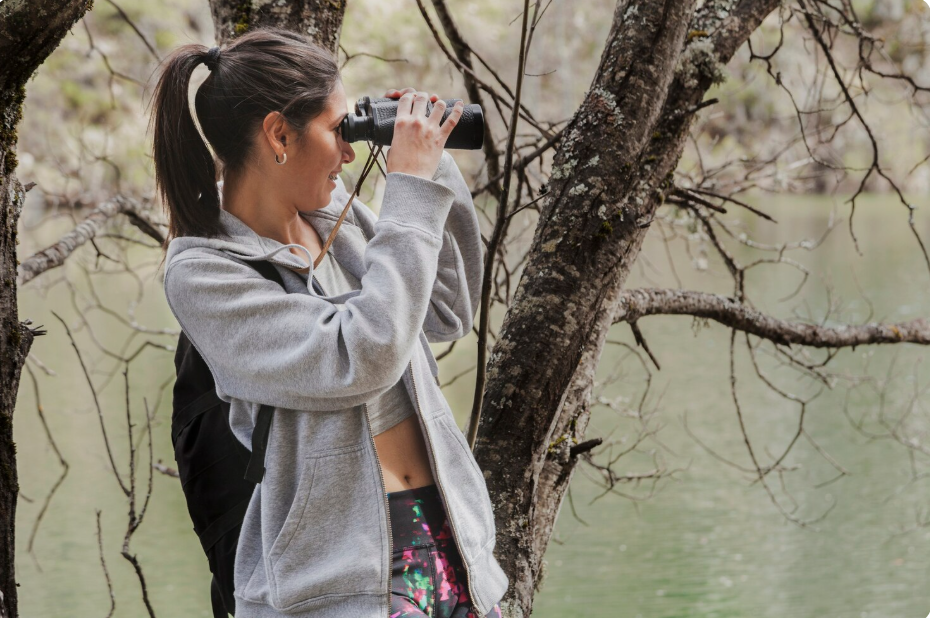
Ever wondered how some photographers manage to freeze a kangaroo in mid-leap or capture a koala’s knowing stare at sunset — moments that feel like magic? If that’s ever stirred something inside you, then a wildlife photography course might just be the key to unlocking your inner shutterbug and bringing the wild’s secrets into focus.
In Australia alone, the value of our ecosystems — forests, wetlands, native vegetation — has been estimated at over AUD 1,300 billion per year, thanks to their role in purifying water, filtering air, preventing soil erosion and supporting biodiversity. DCCEEW That’s the natural world you’d be documenting — and protecting — through your lens.
Curious how a wildlife photography course could transform the way you see and photograph nature?
📷 1. What is a Wildlife Photography Course?
A wildlife photography course is a structured learning experience — online or in person — designed to teach you how to photograph wildlife ethically, creatively and technically. For example, the online offering from Australian Photography School promises to take you from beginner to confident wildlife-shooter, regardless of experience level. Here’s what you typically get:
- Technical training on shutter speed, aperture, ISO and how to handle unpredictable natural conditions.
- Guidance on composition, framing, and post-processing for wildlife shots. Taronga Conservation Society Australia+1
- Ethical and conservation-aware practices: how to photograph animals without disturbing them, their habitat or breeding cycles.
- Flexibility: many wildlife photography courses are self-paced and fully online, letting you learn from home.
Whether you dream of photographing birds in flight, wombats at dusk, or whales off the coast, a wildlife photography course helps you get there.
2. Why Australia Is a Perfect Classroom for Wildlife Photography
Australia is home to some of the world’s most unique fauna — from striking birds to marsupials and marine animals — and its environments vary wildly, from deserts to rainforests to wetlands. That diversity makes it a paradise for anyone serious about wildlife photography.
Key plus-points of doing a wildlife photography course in/for Australia:
- Unmatched wildlife diversity: marsupials, birds, reptiles, marine life — you’ll find subjects everywhere. australia.com+1
- Varied habitats: rainforests, wetlands, coastal zones, bushland — offering different lighting and environmental conditions, perfect for learning. Nature TTL+2australia.com+2
- Strong focus on conservation: many courses teach ethical photography practices to minimise disturbance and contribute positively to biodiversity protection. Australian Photography School+1
In short: if you want a real challenge — and real reward — Australia gives you both in spades.
3. What You Actually Learn — 12 Core Lessons from a Wildlife Photography Course
- Understanding Camera Settings for Wildlife
- Learn which shutter speeds, apertures and ISO values work best for fast-moving or unpredictable subjects like birds in flight or bounding kangaroos. For example, for a flying bird you might need 1/1600 s or faster to freeze motion. Australian Photography School
- Composition & Framing in the Wild
- How to compose shots when you can’t control the background or when the subject may move — using natural light, foregrounds, and environment to tell a story.
- Anticipating Animal Behaviour
- Learning to read signs in animal behaviour so you can be ready when a kangaroo hops, a bird takes off or a koala moves — crucial for capturing dynamic wildlife moments.
- Working with Natural Light & Environment
- Understanding how to use dawn, dusk, shade, forest light, wetland reflections (etc.) to enhance mood and detail — often far more valuable than perfect midday light.
- Ethical & Responsible Wildlife Photography
- Respecting wildlife — no baiting, no disturbing animals, avoiding nesting sites, sticking to trails — to ensure minimal impact and compliance with conservation guidelines.
- Post-Processing & Storytelling
- Learning how to process raw photos so they reflect the wild’s true atmosphere — adjusting light, contrast and colour in a way that preserves authenticity rather than distorting reality. (Many courses cover this in their modules.)
- Building a Portfolio
- Whether for personal enjoyment, exhibitions, or conservation projects, a wildlife photography course helps you build a diverse and professional-looking portfolio from your images.
- Preparing for Field Conditions & Challenges
- Wild conditions can be tough — unpredictable weather, rough terrain, shy or fast animals, low light. Courses often teach how to plan for fieldwork and be ready for those challenges.
- Ethics, Legals & Permits for Protected Areas
- If you want to photograph in national parks or protected reserves, you’ll need to understand the legalities — when permits are required, what’s allowed, and how to behave respectfully. Many courses highlight this.
- Conservation & Conservation-Aware Photography
- Understanding how your photos can help conservation efforts — by raising awareness, supporting grants or NGOs, or documenting species/habitats under threat.
- Adapting to Different Ecosystems
- Different species behave differently depending on habitat (forest vs coast vs wetland). A good course will teach you how to adapt your approach depending on the environment.
- Turning Passion into Purpose
- For those wanting more than just hobby snapshots — wildlife photography courses can be a stepping stone towards conservation work, collaborations with research or environmental groups, or even monetising your work ethically. wildlife.org.au+1
4. Real-World Impact: Photography + Conservation + Community
A wildlife photography course doesn’t just teach you camera skills — it can put you on a path where your photos contribute meaningfully to conservation and community awareness.
- Through initiatives like the Wildlife Queensland “Nature Conservation Photography Grant”, amateur photographers in Australia can receive support (up to AUD 2,000) to help document conservation-focused projects in partnership with community or environmental groups.
- With species and habitats under pressure globally, ethical photos — taken without baiting or disturbance — can help highlight the beauty, fragility and importance of native ecosystems. pixelspeaks.photography+1
- As part of sustainable wildlife tourism and eco-conscious storytelling, good photography helps shift how people view wild animals — as living beings deserving care, not just “photogenic props.”
In short: the pictures you take can do more than look good. They can inspire change.
5. What to Look for When Choosing a Wildlife Photography Course
Not all courses are created equal. If you’re serious about learning — and doing so ethically — here’s what to check for:
- Is the course ethical and conservation-oriented? It should emphasise respect for animals, no baiting, minimum disturbance, and compliance with protected-area regulations. Australian Photography School+1
- Does it teach technical skills and fieldcraft (camera settings, composition, lighting, adapting to wildlife behaviour)?
- Does it provide flexible learning modes (online, self-paced) or hands-on field components (workshops, real-life shoots)? For many, flexibility makes wildlife photography more accessible.
- Does it offer feedback, support, and portfolio-building opportunities? Guidance from experienced wildlife photographers can make a big difference.
- Does it include information about permits, legal aspects, and wildlife-tourism ethics — especially important if you plan to photograph in protected or regulated areas.
A course that nails these elements is more than just a photography class — it’s a primer for responsible, impactful wildlife storytelling.
6. Example of a Wildlife Photography Course in Australia
One of the best examples right now is the online certificate from Australian Photography School. Their wildlife photography course is fully online, self-paced, and provides a kit (canon mirrorless camera included) if you don’t have one. Australian Photography School
This course is designed for all levels — no prerequisites needed — and walks you through wildlife photography fundamentals, advanced techniques, and ethical field practices. By the end, you should be able to build a strong portfolio, shoot confidently in natural environments, and even use your photos for conservation or publication purposes.
If you’re living in Australia — or dreaming of shooting its unique wildlife — this kind of course can really give you a running start.
7. Challenges & Things to Watch Out For
But it’s not all easy. Wildlife photography — even with a course — comes with real challenges:
- Wild animals are unpredictable; they may not show up, or may move before you get the shot. Patience and persistence are key.
- Lighting and weather conditions can change rapidly. A wildlife photography course helps, but experience in the field is irreplaceable.
- Ethical concerns: using bait, disturbing habitats, or ignoring wildlife-viewing guidelines can harm animals and their ecosystem. Always use telephoto lenses, avoid interfering and respect rules.
- Legal issues: some protected areas require permits or licences for photography — especially if for commercial use or publication.
- Conservation responsibility: with many species under threat, any wildlife photographer must balance artistry with respect and awareness.
A wildlife photography course can equip you for these — but the awareness and discipline have to come from within.
8. How Wildlife Photography Can Make a Difference
If you approach it with respect, purpose, and ethics, wildlife photography can do more than create beautiful images — it can promote conservation, awareness, and even policy change.
- Powerful images can help communities, NGOs or conservation projects to raise awareness or funding.
- Images from fieldwork — especially in less-seen habitats — can document species and ecosystems under threat, contributing to conservation science and public knowledge.
- Responsible photography supports sustainable wildlife tourism and ethical wildlife-viewing practices.
- For the individual photographer, a wildlife photography course can be the foundation for a fulfilling, purpose-driven hobby or career — merging art with conservation.
🎯 9. 5 Tips to Get the Most Out of a Wildlife Photography Course
- Start simple. Try photographing birds in a backyard, parks, or local green belts — you don’t need remote outback to begin.
- Respect the wildlife. Always follow ethical photography guidelines: stay distant, don’t bait or lure, avoid nests, and use long lenses.
- Be patient and persistent. Wildlife doesn’t strike a pose on demand — expect many waits, but stay ready.
- Combine knowledge with fieldwork. What you learn in theory must translate into practice. Go out as often as you can.
- Use your photos for good. Consider submitting to community conservation projects, grants (like those from Wildlife Queensland), or sharing to raise awareness.
✅ Conclusion — Is a Wildlife Photography Course Worth It?
If you are passionate about nature, curious about photography, or interested in wildlife conservation — then yes, a wildlife photography course is absolutely worth it. It doesn’t just teach you how to shoot; it helps you see, understand and respect wildlife and ecosystems often unseen by most people.
By combining technical skill, ethical practices, and the unique biodiversity of Australia, you have a rare opportunity to not only capture breath-taking images, but also to contribute meaningfully to conservation.
So here’s the question for you: are you ready to trade the predictable for the wild — to let your lens wander into outback deserts, misty wetlands and forest canopies — and to tell nature’s stories one photograph at a time?